
Eating your Ice Cream
A book that I had to tell you about
Hetal Lakhani
6/25/20262 min read
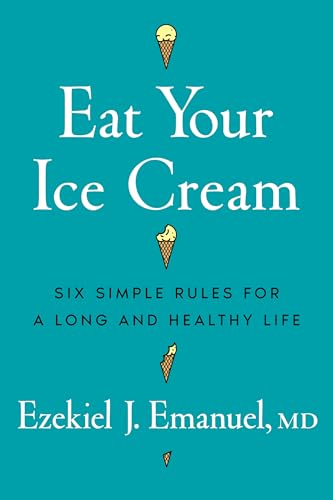
The relentless noise of health misinformation and wellness marketing. It is everywhere. Specially with influencers running of brand endorsements and content its a perilous world with so much unauthentic advice out there. So when I picked up Eat Your Ice Cream: Six Simple Rules for a Long and Healthy Life by Dr. Ezekiel J. Emanuel, I was genuinely curious whether it would add to that noise or cut through it.
Mostly, it cuts through it. The book is built around six general principles for a balanced life. Emanuel's entire point — and I wholeheartedly agree with him here — is that wellness behaviors shouldn't feel like a separate project you manage alongside your life. They should be woven into the fabric of it. When they become automatic, they stop feeling like a burden.
I'd genuinely recommend this to anyone who finds themselves getting pulled into the latest wellness trend or fad. Social media has handed us an absurd number of those, and this book does a good job of stripping it back down to what actually matters. I also appreciated how Emanuel defines wellness broadly — not just physical health, but mental and social too. That holistic framing is important and often missing from these conversations.
One thing that stood out consistently across chapters was the role of technology. Whether he's talking about diet, sleep, exercise, cognition, or socialization, the thread keeps coming back to how much our phones are quietly working against us. It's not a new observation, but seeing it mapped across all six dimensions in one place lands differently.
For me personally, the biggest reminder wasn't about what to do — it was about how to think. I don't need to count grams of protein or fiber. I just need to be intentional about it. That reframe alone is worth something.
That said, I have real disagreements with parts of this book, and I'd be doing you a disservice if I didn't mention them. Emanuel's blanket dismissal of supplements felt too sweeping. Saying they're all a waste of money unless you're pregnant or elderly ignores a lot — iron, biotin, zinc, B12, and others have well-supported roles, particularly for people managing chronic illness, anemia, or specific deficiencies. That's not fringe thinking, that's standard clinical practice.
His stance on potatoes also felt like a case of selective evidence. Yes, he cites studies. But potatoes — especially sweet potatoes — carry real nutritional value including potassium and vitamin C, and they're a dietary staple across many communities. Dismissing them broadly does a disservice to the nuance the topic deserves. Plus, the Martian was alive on Potatoes only :) Which brings me to the bigger issue. This book is written for a very specific reader — someone with a stable income, time to exercise, access to high quality food, and an active social life.
Still — Eat Your Ice Cream is worth your time, especially if wellness culture has started to feel exhausting. It won't teach most clinicians anything new, but it's a clean, readable reset on what actually matters. For the general public drowning in fads and conflicting advice, it could genuinely help. Just read it with your critical thinking intact.
Journal
Unhurried analysis and quiet observation.
© 2026 Journal- By Hetal Lakhani
DAILY DISPATCHES & MARGINALIA